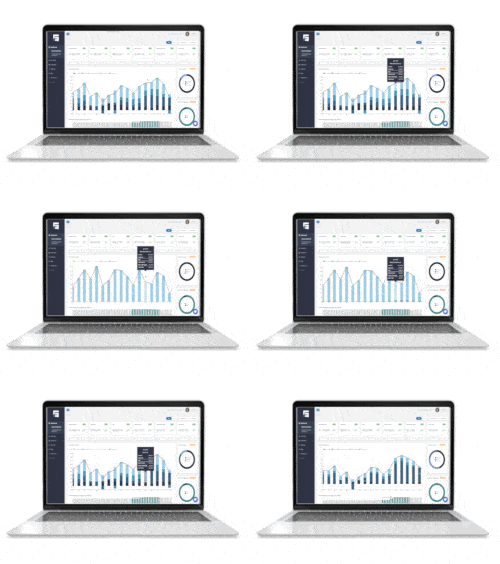
As an accountant, you know that managing real estate cash flow is one of the biggest challenges for commercial property owners. Market fluctuations, vacancy rates, unexpected expenses, and missed rent payments can create unpredictable revenue.
Accountants play a crucial role in helping owners navigate these challenges. By providing precise financial insights and spotting potential problems, you become a key advisor to your real estate clients as they seek to boost their cash flow performance.
Let’s explore some of the most important, but sometimes overlooked ways accountants can help commercial property owners improve cash flow.
Executive Summary
- Strong accounting practices help improve cash flow. Accurate financial tracking, regular reviews, and thoughtful budgeting help accountants support commercial real estate clients in managing expenses, identifying opportunities, and avoiding costly surprises.
- Strategic planning supports long-term financial stability. Accountants can help clients evaluate property improvements, identify tax opportunities, and plan for upcoming expenses and lease expirations to protect cash flow.
- The right technology makes cash flow management easier. Tools like STRATAFOLIO, which integrates with QuickBooks, give accountants clearer financial insights across their clients’ properties, helping them provide better-informed recommendations without giving up their existing accounting system.
Key Accounting Strategies for Real Estate Cash Flow Growth
While commercial property owners make the final decisions about portfolio management, the accountant’s role is to help them understand their options and identify overlooked opportunities for growth.
Budgeting and Forecasting
Accurate budgeting and forecasting are essential to effective cash flow management. Accountants use historical financial data to help clients form realistic projections for income and expenses.
These forecasts should account for planned renovations, inflation, market fluctuations, and leases that will begin or expire during the year. Reviewing this information for individual properties can also identify which assets may require additional cash reserves.
By forecasting major expenses and periods of reduced income, accountants can help clients build budgets that better prepare them for unexpected costs, such as emergency property repairs.
Tracking and Auditing
Once a budget is established, consistent financial tracking is essential. Accountants should work with property owners and managers to develop a consistent process for recording income and expenses. Then, the whole team should regularly review financial reports to identify discrepancies and emerging problems.
Owners may assume they do not need to do this if there are no major issues, but this often leads them to miss smaller losses that add up over time. With regular checks, accountants can easily assess the impact of even small problems and recommend action to owners well before losses spiral out of control.
Investments and Improvements
Financial analysis can also reveal properties that may benefit from strategic improvements. Renovated bathrooms, hallways, and common areas, along with better parking lots and improved landscaping, can make commercial properties more attractive to tenants.
However, the upfront costs and potential returns still require careful investigation. Accountants can help owners evaluate whether proposed improvements are a justifiable expense, as well as how they might affect short-term cash flow.
Seek Out Tax Benefits and Opportunities
Many commercial real estate owners are unaware of the tax benefits and opportunities available to them. Identifying and evaluating these opportunities is one of the most valuable ways accountants can help clients manage real estate cash flow.
Major opportunities include:
- Depreciation. Accountants can help clients evaluate whether a cost segregation study could identify assets eligible for accelerated depreciation, potentially reducing near-term tax liabilities and improving cash flow.
- Strategic disposition. Advising clients on the tax implications and timing of property sales, including potential 1031 exchanges, can help them avoid capital gains taxes.
Maintaining a Smart Schedule
When it comes to cash flow management, timing can be just as important as the amount of income or expenses.
Accountants can help commercial real estate clients anticipate upcoming financial obligations and identify periods when cash flow may be strained. Strategies to recommend include:
- Staggering lease expirations. When possible, spreading lease expiration dates across the calendar can reduce the risk of multiple vacancies affecting rental income simultaneously.
- Setting alerts and reminders for key dates. Tracking upcoming lease expirations and rent escalations prevents owners and managers from being caught unaware by vacancies or missing income from forgotten escalations.
By incorporating these events into cash flow forecasts, accountants can help clients make more informed decisions about spending, reserves, and future investments.
Frequently Asked Questions
-
What financial information should accountants review to evaluate property cash flow?
One useful measure is cash flow after operating expenses and debt payments. Reviewing this amount, especially alongside historical financial performance, helps accountants identify which properties may need focused attention to improve cash flow.
-
How can accountants help clients manage cash flow across multiple properties?
Each property has different income streams, expenses, and financial obligations. Accountants can help clients review cash flow at both the individual property and portfolio levels, identifying financial risks and recommending where to focus effort and resources.
Using the Right Tools for Real Estate Cash Flow: STRATAFOLIO’s Solution
Helping commercial real estate clients improve cash flow requires accurate, accessible financial information. For accountants working with multiple properties or entities, having the right technology can make financial analysis and client reporting significantly easier.
STRATAFOLIO’s bi-directional QuickBooks integration lets accountants keep working in familiar accounting software while accessing commercial real estate-specific functionality. Accountants can view financial information by organization, entity, or asset, making it easier to evaluate performance at both the individual property and portfolio levels.
STRATAFOLIO’s cash flow report also provides a cash-basis breakdown of income and expenses, supplementing the official cash flow statement. This gives accountants a convenient way to review property performance and discuss cash flow trends with clients.
Additionally, STRATAFOLIO’s unlimited user allowance lets accountants, property managers, and owners collaborate in one place, so everyone works from consistent financial information.
Discover how STRATAFOLIO can support your commercial real estate accounting workflows and help you keep your clients informed. Schedule a 1:1 demo today.