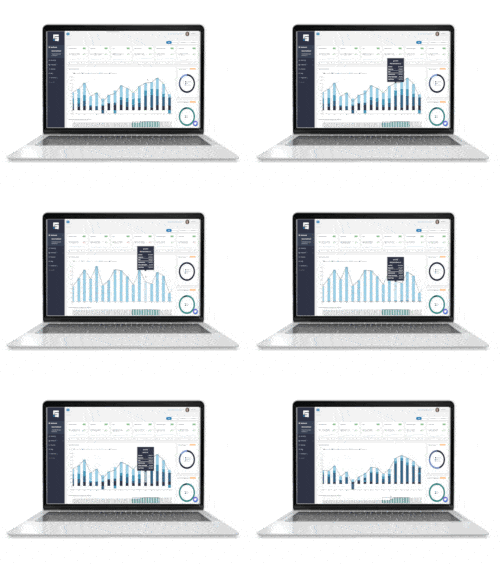
Certificates of Insurance (COIs) are essential for commercial property management, yet at STRATAFOLIO we often find them to be the most outdated records when meeting with clients. Keeping track of those certificates helps protect your properties, your business, and all parties involved. A COI verifies that tenants have current insurance coverage.
However, many property managers still rely on spreadsheets, email threads, or filing folders. These methods are vulnerable to human error, outdated documents, missed expirations, and liability exposure. STRATAFOLIO’s AI-powered Certificate of Insurance Management helps eliminate many of these risks by automatically tracking expirations, identifying missing COIs, and ensuring nothing slips through the cracks.
Wondering how to track certificates of insurance for property management without the stress? Let’s walk through exactly what you need to know and how to implement COI tracking the right way.
What Is a Certificate of Insurance (COI)?
A Certificate of Insurance is an official document issued by an insurance provider. It doesn’t provide the full policy, but it’s the standard proof that coverage exists. In a COI, you’ll typically see:
- The name of the insured tenant,
- The coverage types (general liability, workers’ compensation, umbrella, etc.),
- Policy limits and effective expiration dates,
- The certificate holder, often the property owner or manager,
- Additional endorsements (if required), such as additional insured or waiver of subrogation.
When you collect a COI, you’re not just collecting paperwork; you’re gathering vital data about who is covered, for how much, and for how long. For property managers, that clarity is critical.
Why Property Managers Must Track COIs
- Legal Liability and Risk Management
Imagine a situation where a tenant’s contractor causes damage or injury, but their insurance policy lapsed or never had the right coverage. If you don’t have a valid COI on file, you could be left holding the bag. That’s why COI tracking is central to tenant insurance compliance and overall risk mitigation.
- Meeting Lease Agreement Requirements
Most lease agreements include explicit insurance requirements. These requirements often include:
- Types of coverage (liability, workers’ comp, etc.)
- Minimum policy limits
- Additional insured endorsements or certificate holder specification
Collecting COIs and verifying compliance helps ensure those contract terms are met, and gives you documentation if there is ever a dispute.
- Protection Against Uninsured Losses
Without up-to-date COIs, insurance claims may be delayed or denied. With proper COI management, you know exactly who is (and who isn’t) insured. You reduce exposure to claims, lawsuits, and out-of-pocket liabilities.
- Avoiding Real-World Consequences of Non-Compliance
If COIs are missing, expired, or don’t meet requirements, it can lead to serious consequences:
- Uninsured claims covering property damage or injury
- Contract disputes with tenants
- Audit failures, problems with lenders or insurers
- Increased premiums or liability for the property owner
Not tracking COIs literally means risking significant financial and legal pain.
Common COI Tracking Challenges
Even proactive property managers face obstacles when it comes to COI tracking. The most common problems include:
- Paperwork overload and disorganization when COIs arrive via email, mail, or in-person, spread across multiple channels and formats.
- Expired or invalid certificates: Keeping track manually often means missing renewals.
- Difficulty verifying coverage limits or exclusions: COIs vary in format and clarity, making reviews time-consuming.
- Lack of standardization: Inconsistent documentation makes it harder to compare and audit coverage across tenants.
These challenges are especially common across large portfolios, but even smaller properties can benefit from more robust COI tracking practices.
How to Track COIs Effectively
To overcome the pitfalls above and ensure consistent property management insurance compliance, you need a clear, organized process. Here’s how to do it.
A. Create a Centralized COI Management System
Rather than relying on spreadsheets, folders, or scattered files, collect and store all COIs in a single, centralized system.
Benefits of centralization:
- One unified place to view all tenant COIs
- Clear visibility of what’s current vs. expired
- Easy access for audits or compliance checks
- Reduction of redundancy, errors, and lost documents
In fact, in systems built for COI tracking, you’ll often have dashboards that show compliance status at a glance.
B. Set Clear Insurance Requirements
From the start, at lease signing, define exactly what insurance you require. Include:
- Required coverage types (e.g., general liability, workers’ compensation)
- Minimum coverage limits
- Certificate holder name (your entity)
- Additional insured endorsements, if needed
- Deadline for submission
Having a standard requirement across your portfolio ensures consistency. It also makes verification simpler: every COI is reviewed against the same checklist.
C. Automate Expiration Alerts
One of the most effective tools in COI tracking for property managers is automated renewal alerts. When COIs expire, or are about to expire, you and your tenant get notified; no manual calendar entries needed. This ensures renewals happen proactively.
Automated alerts reduce the risk of missed renewals, expired coverage, or compliance lapses. It’s a simple but powerful addition to your COI management workflow.
D. Review and Verify All COIs
Don’t just store COIs; take time to review them carefully. Verify that:
- The types of coverage meet your needs
- The policy limits are sufficient.
- The policy has not expired and is still in effect.
- Included are the necessary endorsements (waivers, additional insured, etc.).
- The name of the certificate holder is accurate.
Being diligent during review protects you from gaps in coverage that could create liability problems down the line.
E. Train Staff and Set Internal Protocols
COI tracking can’t fall on one person alone, especially in teams handling multiple properties. Establish internal protocols such as:
- Who is responsible for COI collection
- Who reviews and verifies COIs
- Where and how COIs are stored (digital folder, software)
- How renewals are tracked and followed up on
Implementing clear protocols ensures consistency, accountability, and readiness for audits or compliance reviews.
Tools and Software for COI Tracking
Yes, you can manage COIs manually, but for many property managers, that’s a recipe for risk, inefficiency, and oversight. Software tools designed for COI tracking offer major advantages: automation, centralized storage, easy compliance reporting, and reminder workflows.
Among the features to look for:
- Centralized document storage (tenant COIs, lease records)
- Automated renewal reminders and alerts
- Monitor compliance status by property or tenant
- Easy retrieval for audits, insurers, or lenders
- Integration with other property management tools or accounting platforms
This kind of tech-based COI management represents the best way to manage COIs in property management, especially when your portfolio grows or includes multiple entities.
Staying Compliant Long-Term
COI tracking isn’t a one-and-done task. For long-term compliance:
- Conduct regular audits, monthly or quarterly, depending on your portfolio size.
- Update insurance requirements as your risk profile changes, or based on new regulations.
- Hold tenants/ accountable by making COI submission and renewal a standard part of lease onboarding.
- Leverage automation; alerts, dashboards, and reminders help ensure nothing slips through the cracks.
By building COI tracking into your ongoing operations, you set yourself up for strong risk management and smooth audits year after year.
Conclusion
COI tracking plays a key role in reducing liability, ensuring compliance, and maintaining trust with tenants, insurers, and lenders. By shifting from manual spreadsheets and filing systems to using modern COI-management software, that alerts your tenants about their expiring COIs, you significantly reduce risk and improve operational efficiency.
STRATAFOLIO makes it easy to manage tenant COIs, automate renewals, and monitor compliance across your entire portfolio. Schedule a demo today to learn more.