To keep the cash flowing, it’s essential that you’re able to collect rent payments from all your tenants, preferably by the first of the month, every month. However, in the real world, rent collection doesn’t always work perfectly.
If you’re a commercial real estate owner who is struggling with tenants not paying rent on time, you’re not alone. Even the most reliable tenants are likely to miss the occasional payment, and there are plenty of factors that might result in late or short rent. Fortunately, there are a few things you can do to improve the rent collection process and ensure more on-time payments. Here are a few best practices for rent collection in commercial real estate.
Automated Rent Reminders and Invoices
Thanks to email, text messages, and automated voicemails, you can send out rent payment reminders without taking a single minute out of your day. Setting up automated invoices is simple and you’ll never have to think about it again for the duration of each tenant’s lease.
Invoices give tenants a timely reminder of when rent is due and how much they owe, documentation that is especially important after new rent escalations. Even tenants who are diligent about paying on time may forget that the amount due has gone up and accidentally underpay. A simple reminder significantly boosts the chances that you will receive the full amount. Plus, clear and timely communication about escalations helps prevent and diffuse any disputes.
Make It Effortless to Pay
If a tenant has to drive to your office and physically drop off their rent check each month, that alone is a barrier to on-time rent payments. Online payments make things easier for everyone because tenants can pay from their phone or computer, anytime, anywhere. Tenants can even opt-in for automatic online rent payments so they don’t have to worry about submitting a payment each month.
Plus, electronic rent payments come with the benefit of detailed payment records. Offering ACH for commercial real estate tenants is an easy and cost effective way to make sure you collect on time.
Consequences for Late Rent Payment
When you charge an additional fee for late rent, you’ll motivate tenants to pay on time. There are a few things to keep in mind, though. First of all, there are rules for how much you can charge for late rent depending on the location of your commercial property. Make sure to follow these.
Additionally, you shouldn’t necessarily always charge the maximum late penalty. You don’t need to enforce the late fee every single time for it to be effective. It’s OK to waive it if the late payment was a one-time mistake or if the tenant is having a particularly hard time. Having a clear policy in place means that tenants know the expectations right from the start, while occasionally making exceptions demonstrates that you are understanding, which can improve your tenant relationships.
Incentivize On-Time Rent Payment
While most landlords implement late fees, it’s less common to think of positive reinforcement for on-time rent payment. One way to incentivize tenants to pay on time is to set up credit reporting for on-time payments. This way, tenants can improve their credit rating simply by paying rent each month. Be sure to communicate this to tenants and portray it as a positive bonus.
You may also choose to offer rewards for early payment—for example, they can get $25 off rent if they pay before the due date. Sometimes, an early payment discount is even more effective than a late fee.
Straightforward Communication
Finally, it’s crucial to communicate with your tenants. If they haven’t paid their rent on time, reach out to them promptly to ask when they’ll be able to pay, why their rent payment is late, and whether they’ll be able to pay in full. Clearly establish your expectations to prevent confusion. You can automate parts of this process by scheduling additional invoices to go out when payments become late and reminding tenants of your late fee policy and any grace period you might offer.
Tracking Rent Collection with STRATAFOLIO
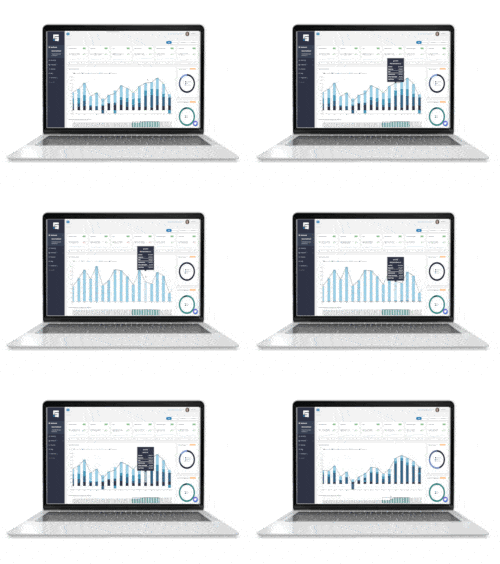
With STRATAFOLIO, you can run reports to track who has paid and who has not. No matter how many units you have, you can still keep tabs on when each and every tenant paid their rent each month. This makes it easy to send reminders and keep track of each tenant’s rent payment history. Plus, generate automatic invoices that automatically apply rent escalations, keeping both you and your tenants up to date on what they owe and when they owe it. STRATAFOLIO’s tenant portal property management system makes rent collection effortless.
To learn more about how STRATAFOLIO can improve your tenant relations, keep your cash flow consistent, and track income from rent and other sources, schedule a free 1:1 demo today!